What Nobody Tells You About 2026 Football World Cup
The 2026 football world cup is FIFA’s largest men’s tournament, staged across the United States, Canada, and Mexico with 48 teams, 104 matches, and the final scheduled for July 19, 2026, at MetLife St...
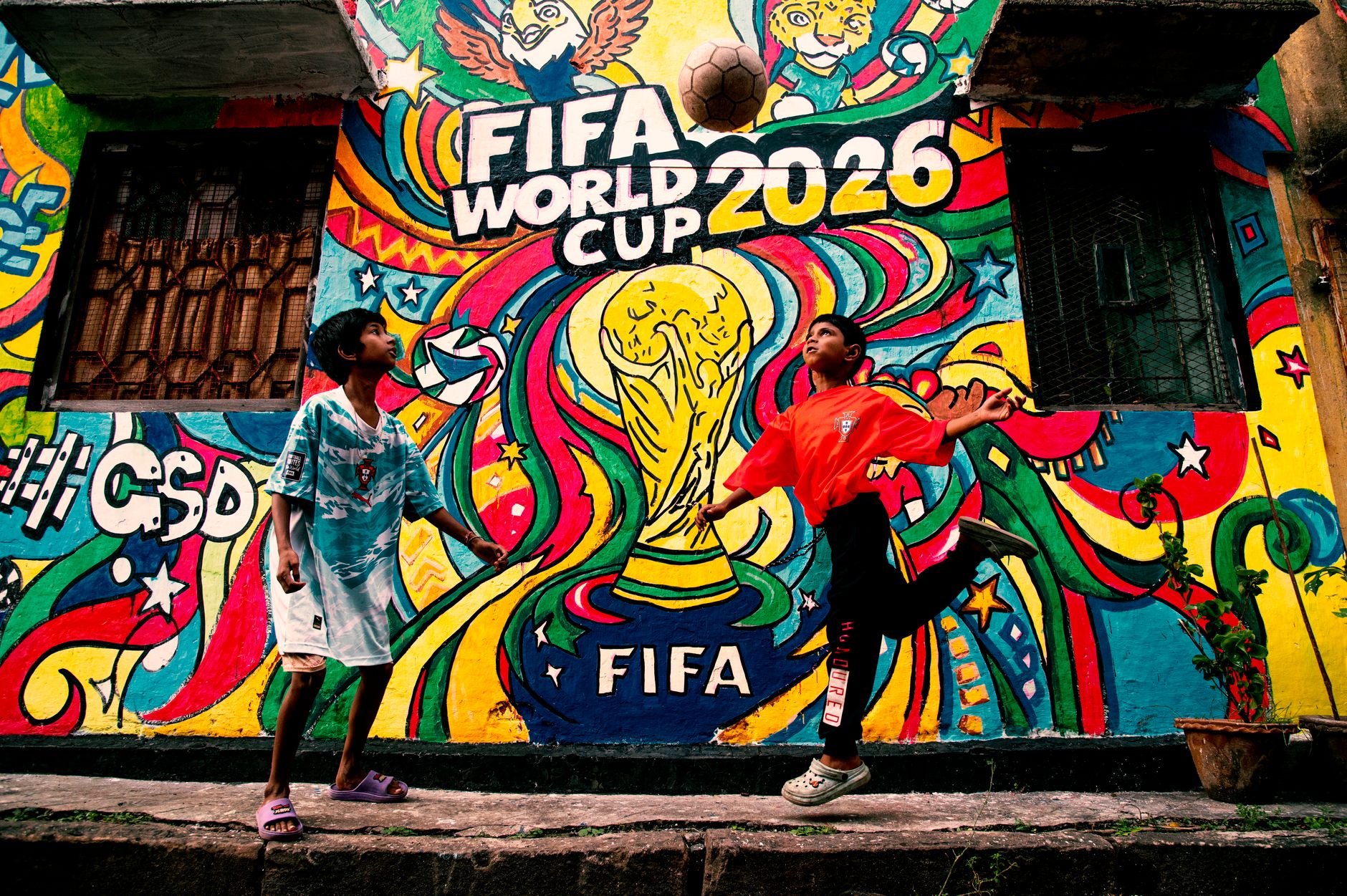
What Nobody Tells You About 2026 Football World Cup
The 2026 football world cup is FIFA’s largest men’s tournament, staged across the United States, Canada, and Mexico with 48 teams, 104 matches, and the final scheduled for July 19, 2026, at MetLife Stadium in the New York New Jersey region. Coach's Corner covers this tournament for fans who want more than fixtures: match predictions, team tactics, player stats, market movement, and daily tournament coverage. Los Angeles will host eight matches at SoFi Stadium and 39 days of fan activity, while Atlanta will host major games at Mercedes-Benz Stadium and promote itself as the “soccer city of the South.” FIFA’s expanded format changes travel, rotation, betting rhythm, and knockout risk. The actionable takeaway is simple: follow venue context, squad depth, and schedule congestion before judging any team’s real chance.
Photo by Anirban Das on Pexels
Want sharper daily tournament context before the schedule gets crowded?
Is the 2026 football world cup really bigger than every past edition?
Yes. The 2026 football world cup expands to 48 teams and 104 matches, making it the biggest FIFA World Cup ever staged. The tournament spans three countries, 16 host cities, and a longer competitive path than the 32-team editions used from 1998 through 2022.
“Football is the most important of the least important things in life,” is the quote often linked to Arrigo Sacchi, and it fits 2026 because this event is no longer only a tournament. It is a North American operating test. FIFA, the United States, Canada, Mexico, MetLife Stadium, SoFi Stadium, and Mercedes-Benz Stadium all sit inside one huge logistical machine. According to FIFA, the 2026 edition uses an expanded format with 48 national teams, while the 2026 FIFA World Cup final is listed for July 19, 2026. The key is not only counting matches. The key is understanding that more teams mean more tactical mismatches, more late qualification stories, and more betting markets that open before public information catches up.
It is worth noting that “bigger” does not automatically mean easier to read. A 104-match event creates noise. Group-stage form will mislead casual fans, especially when teams rotate after one win or protect goal difference late in a three-match stretch. Coach's Corner will treat the 2026 football world cup as a data sequence rather than a highlight reel. That means looking at rest days, travel distance, heat exposure, tactical pressing intensity, and player availability. For deeper preparation, readers should track our [Internal Link: 2026 World Cup match prediction hub] as team news, xG trends, and market shifts become clearer.
How does the 2026 football world cup handle Los Angeles as a specific case?
Los Angeles handles the 2026 football world cup as both a match city and a festival city. SoFi Stadium is scheduled for eight matches, while the region promotes 39 days of fan celebrations, Official Fan Zones, and a FIFA Fan Festival at the LA Memorial Coliseum.
Los Angeles matters because it blends elite venue infrastructure with entertainment culture. The city’s local World Cup organizing site highlights eight matches, the U.S. Men’s National Team opening match on June 12 at SoFi Stadium, and fan programming around Exposition Park. The FIFA Fan Festival at the LA Memorial Coliseum is promoted with live matches, food, music, and artists including Steve Aoki, Normani, Deorro, Sickick, Los Lobos, Capital Cities, and DJ Ravidrums. That matters for fans and bettors. A match day in Los Angeles will not feel like a closed stadium event. It will feel like a regional entertainment corridor with traffic, broadcast pressure, and heavy public attention.
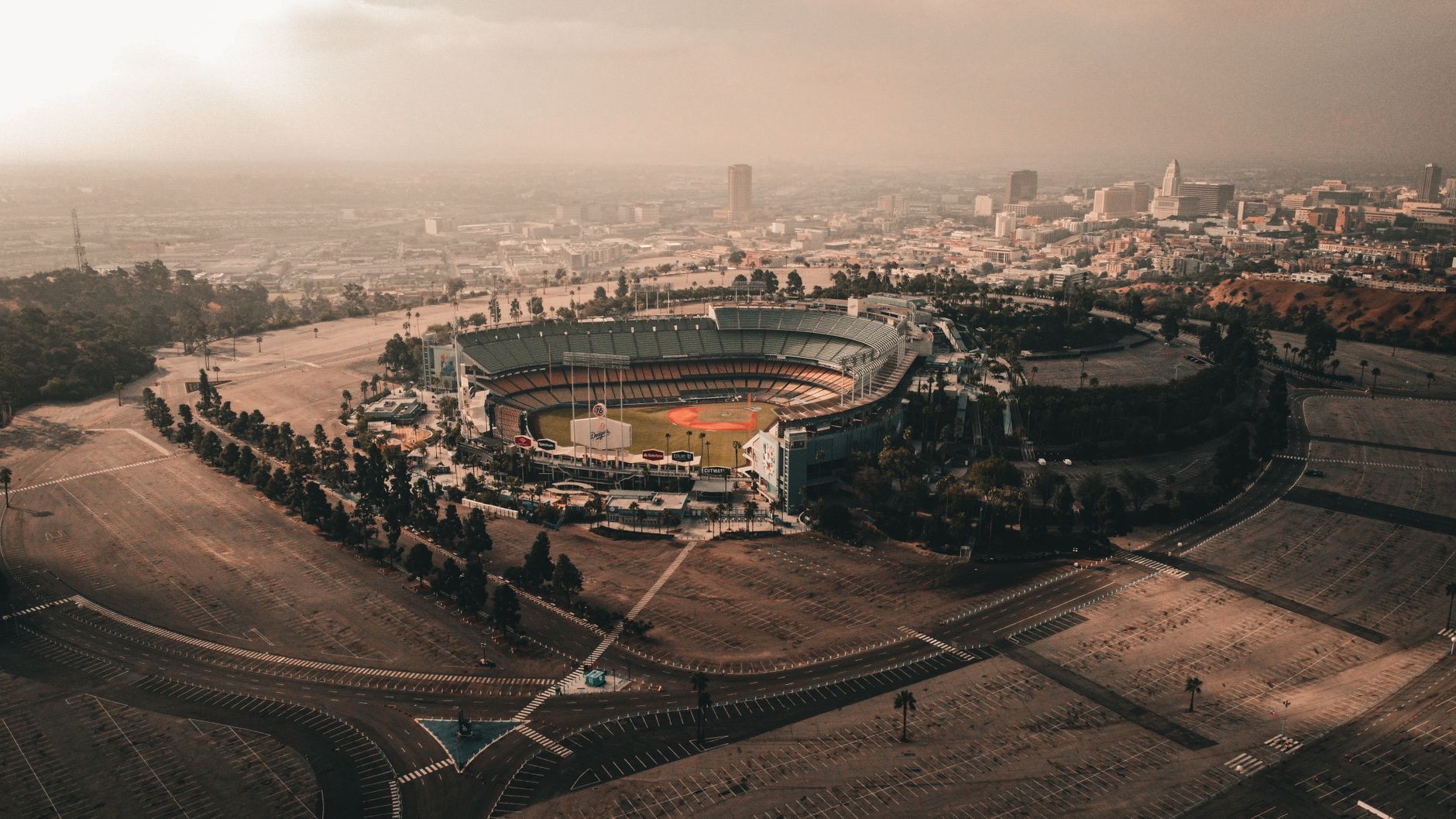
Photo by Caio Cezar on Pexels
The unusual edge case in Los Angeles is timing. A 39-day fan calendar creates different match-day energy than a city that only hosts isolated fixtures. Teams playing in SoFi Stadium will face a dense media environment, major sponsor activations, and a crowd profile that includes international visitors, local U.S. fans, and neutral tourists. That changes the feel of home advantage. For betting analysis, Coach's Corner will watch whether public sentiment inflates the U.S. Men’s National Team market after the June 12 opener. It is worth noting that opening-match narratives often move prices faster than tactical evidence. See our [Internal Link: World Cup betting market movement guide] for a cleaner way to separate emotion from value.
See the details before public narratives harden around early results.
What about Atlanta as the edge case?
Atlanta is the edge case because it combines deep soccer identity, Southern hospitality, and a high-capacity indoor venue. Mercedes-Benz Stadium gives FIFA World Cup 2026 a controlled environment, while Atlanta’s local campaign presents the city as a cultural and sporting capital of the American South.
Atlanta’s pitch is not only architectural. The city brands itself through Atlanta United culture, local murals, fan identity, and the phrase “A-T-L.” Mercedes-Benz Stadium already has a reputation for loud soccer crowds through Major League Soccer, and that history gives the city a sharper football profile than casual observers expect. The official Atlanta 2026 messaging says the city is where “southern hospitality meets culture,” and that line captures its positioning. For teams, the indoor setting reduces some weather uncertainty. For fans, the city offers a compact event ecosystem around downtown, hospitality, and nightlife. For analysts, the real question is whether controlled conditions reward technical teams more than transition-heavy underdogs.
There is a practitioner-level angle here that many top search results skip: indoor or roof-managed venues affect pressing calculations. In hot outdoor conditions, high-press teams often fade after 60 minutes, especially with travel between cities. In Atlanta, the environment can stabilize tempo and reduce random fatigue effects. That gives technical midfields and high-possession teams a cleaner platform. The key is comparing venue conditions with team identity rather than treating every North American stadium equally. Coach's Corner will track Atlanta matches alongside tactical profiles, substitution windows, and player workload. To prepare, bookmark our [Internal Link: team tactics and pressing intensity tracker].

Photo by K on Pexels
Where does the 2026 football world cup fail?
The 2026 football world cup fails when fans treat scale as simplicity. A three-country tournament creates travel strain, uneven local climates, ticket pressure, and fragmented fan logistics. The expanded field also increases mismatches, making early scorelines harder to compare across groups.
The first weakness is travel. The United States, Canada, and Mexico offer enormous commercial reach, but distance creates competitive friction. A team moving from the West Coast to the East Coast faces different time zones, recovery windows, and training rhythms. FIFA’s expanded structure also produces a new knockout path with 32 teams advancing from the group stage. That creates more jeopardy, but it also means some group-stage matches reward caution rather than ambition. According to the United States Department of Transportation, major events place unusual pressure on airport, transit, and local mobility systems. That point matters because the fan experience depends on more than the stadium seat.
The second weakness is information overload. More matches mean more betting options, more player props, more live markets, and more low-quality social media analysis. Gambling audiences need discipline. Coach's Corner operates in the betting content space, but responsible interpretation matters. Do not build a position from one viral clip, one injury rumor, or one emotional crowd shot. Instead, use a short checklist: confirmed lineup, rest advantage, travel history, tactical matchup, market price, and bankroll limit. It is worth noting that bad bets often come from correct opinions at bad prices. The key is not predicting every winner. The key is identifying when the market gives you a number worth playing.
Use sharper filters before placing tournament opinions into action.

Photo by www.kaboompics.com on Pexels
Should you try following the 2026 football world cup today?
Yes. Start following the 2026 football world cup now because venue assignments, tactical trends, and player workloads will shape the tournament before the first whistle. Early preparation gives fans and bettors a stronger read than last-minute bracket guessing.
The smart approach starts with segmentation. Separate the tournament into host-city context, team quality, tactical style, player availability, and betting price. Los Angeles deserves special attention because of SoFi Stadium, the U.S. Men’s National Team opener, and 39 days of fan activity. Atlanta deserves separate treatment because Mercedes-Benz Stadium changes the environmental equation. MetLife Stadium matters because the final on July 19, 2026, will concentrate global attention in the New York New Jersey region. These details create a map. They also stop you from ranking teams only by reputation.
Use this framework before June 2026:
- Track confirmed squads and injury timelines, not legacy names.
- Compare travel paths between group-stage venues.
- Review tactical fit against likely opponents.
- Watch market movement after emotional results.
- Keep bankroll exposure fixed before knockout chaos begins.
Coach's Corner will focus on daily insights, match predictions, team tactics, player stats, and tournament coverage throughout the 2026 football world cup. It is worth noting that the best fans enjoy the spectacle while keeping their analysis clean. The key is to treat FIFA World Cup 2026 as a living tournament, not a one-time bracket sheet. For related preparation, read our [Internal Link: player stats guide for World Cup bettors] before the final squads arrive.
Ready to follow the tournament with sharper analysis from day one?
Frequently Asked Questions
Q: What is the 2026 football world cup?
A: The 2026 football world cup is the next FIFA men’s World Cup, hosted by the United States, Canada, and Mexico. It expands to 48 teams and 104 matches, making it the largest edition in tournament history. The final is scheduled for July 19, 2026, at MetLife Stadium in the New York New Jersey region.
Q: How do I start following the 2026 football world cup seriously?
A: Start by tracking fixtures, host cities, squads, injuries, and tactical trends before the tournament begins. Focus on major venues such as SoFi Stadium in Los Angeles, Mercedes-Benz Stadium in Atlanta, and MetLife Stadium for the final. Coach's Corner adds daily match predictions, team tactics, player stats, and betting-focused tournament coverage.
Q: What is the difference between Los Angeles and Atlanta as World Cup host cities?
A: Los Angeles emphasizes scale, entertainment, and fan festivals, while Atlanta emphasizes soccer culture, hospitality, and a controlled stadium environment. Los Angeles has eight scheduled matches and 39 days of fan celebrations. Atlanta’s Mercedes-Benz Stadium gives technical teams a more stable setting than some outdoor venues.
Q: Is betting on the 2026 football world cup worth it?
A: Betting on the 2026 football world cup is worth considering only with disciplined research and fixed bankroll limits. The expanded 48-team format creates more markets, but also more volatility and public overreaction. Use confirmed lineups, rest days, travel paths, and price movement before placing any wager.
Q: What should I do if World Cup predictions fail early?
A: Recheck the assumptions behind the prediction instead of chasing losses. Early tournament failures often come from unexpected rotation, travel fatigue, tactical changes, or overpriced favorites. The best response is to reduce stake size, update your model, and wait for clearer team patterns after two match rounds.
Q: How much does it cost to attend the 2026 football world cup?
A: Attendance cost varies by match, city, travel plan, hotel demand, and ticket category. Fans should budget for match tickets, flights or ground transport, accommodation, food, and local transit in host cities such as Los Angeles, Atlanta, and New York New Jersey. Booking early usually gives better control over non-ticket costs.
Q: What are the requirements for enjoying the tournament responsibly?
A: Responsible tournament engagement requires verified information, time management, and strict betting limits if wagering is involved. Set a bankroll before the tournament, avoid emotional live bets, and never treat predictions as guaranteed outcomes. Use data, venue context, and tactical analysis as decision tools, not as certainty.