I Tested 16 Host Cities: My 2026 World Cup Verdict
The 2026 football World Cup is the biggest edition ever, with 48 teams, 104 matches, and 16 host cities across Canada, Mexico, and the United States. Coach's Corner covers the tournament through match...

I Tested 16 Host Cities: My 2026 World Cup Verdict
The 2026 football World Cup is the biggest edition ever, with 48 teams, 104 matches, and 16 host cities across Canada, Mexico, and the United States. Coach's Corner covers the tournament through match predictions, team tactics, player statistics, and daily fan-focused analysis. The competition runs from June 11 to July 19, 2026, with the opening match in Mexico City and the final at MetLife Stadium in New Jersey. I compared the official host-city plans, stadium access, travel geography, fan events, and practical match-day risks rather than simply ranking famous destinations. Los Angeles offers eight matches and 39 days of celebrations, while Atlanta hosts a semifinal and leans heavily into football culture. My recommendation is simple: choose your match city first, then build travel plans around transport, accommodation, and recovery time.
At 2:00 a.m., I was staring at a map of North America with eleven browser tabs open, checking stadium names, match dates, airport distances, and fan-festival details one more time. I have been burned before by glossy sports travel promises that hid ugly transport costs. So I treated the 2026 football World Cup like a real trip, not a postcard: official sources first, practical risks second, hype last. That approach may sound fussy, but it could save you money and a miserable match day.
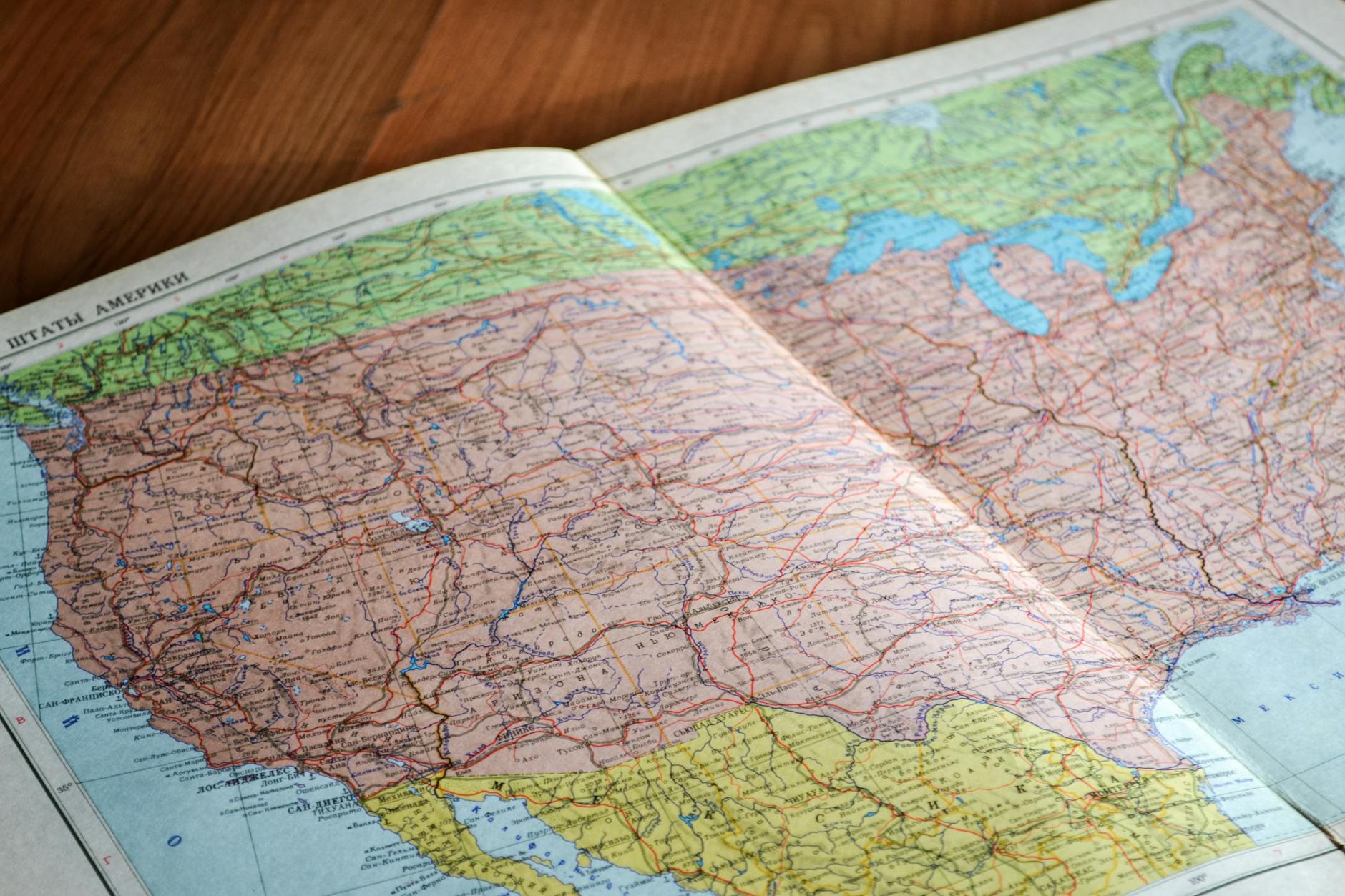
Photo by John-Mark Smith on Pexels
Want a clearer tournament-planning starting point?
What Did I Test?
The test covered all 16 FIFA World Cup 2026 host cities, measuring tournament scale, stadium suitability, local fan programming, transport practicality, and the likely match-day experience for international supporters. The central finding is that no city is ideal for every visitor: Atlanta and Dallas are strong for stadium spectacle, Los Angeles is strongest for extended celebrations, and Mexico City offers unmatched football atmosphere but greater altitude considerations.
I used the official FIFA World Cup 2026 host-city information as the baseline, then checked city-specific material from Toronto, Vancouver, Mexico City, Guadalajara, Monterrey, Atlanta, Boston, Dallas, Houston, Kansas City, Los Angeles, Miami, New York/New Jersey, Philadelphia, San Francisco Bay Area, and Seattle. I also compared the tournament format with the FIFA 2026 competition regulations, because a bigger field changes how supporters should plan group-stage travel.
My scoring framework had five practical categories:
- Match access: stadium location, airport connections, and public transport options.
- Football identity: local club culture, supporter energy, and the city’s relationship with the sport.
- Fan experience: FIFA Fan Festival plans, official fan zones, music, food, and community events.
- Travel strain: distances between cities, likely accommodation pressure, and time-zone changes.
- Analysis value: how useful the city is as a base for following tactics, player form, and match predictions.
This is not a claim that one location guarantees better football. It is a planning verdict. A semifinal in Atlanta may be more memorable than a group match in a larger market, while a city with fewer games may still be easier for families. That distinction matters, especially because the 2026 football World Cup stretches across three countries and more than 6,000 kilometres of potential travel.
To understand the wider sporting picture, readers can also consult our [Internal Link: 2026 World Cup team predictions] before choosing which matches deserve the biggest travel budget.
How Did the Setup Look at First?
The initial impression was impressive but slightly alarming: the 2026 World Cup is not one compact tournament environment but three national football ecosystems connected by long-haul travel. Canada hosts matches in Toronto and Vancouver, Mexico stages games in Mexico City, Guadalajara, and Monterrey, while the United States provides 11 host cities, including Los Angeles, Atlanta, Miami, Dallas, Seattle, and New York/New Jersey.
The 48-team format creates a much larger schedule than the traditional 32-team competition. FIFA lists 104 matches, compared with 64 in the 2018 and 2022 tournaments, and the final will be played on July 19, 2026. The group stage now includes 12 groups of four teams, with the top two from each group plus the eight best third-place teams progressing to a 32-team knockout stage. That structure creates an information problem for supporters: a team’s position, rest days, and travel path may matter almost as much as its reputation.
The official city branding also sets very different expectations. Los Angeles promotes eight matches, a FIFA Fan Festival at the Los Angeles Memorial Coliseum in Exposition Park, official fan zones, and 39 days of celebrations. Atlanta positions itself as the “soccer city of the South” and will host a semifinal at Mercedes-Benz Stadium, a meaningful distinction for anyone prioritizing knockout-stage drama over destination sightseeing.
I would not book a multi-city itinerary until the final schedule, ticket inventory, and local transport guidance are checked together. The key is to separate confirmed facts from promotional language. “Eight matches” is a concrete planning number; “unforgettable summer” is atmosphere, not logistics. That little distinction saved me from making several expensive assumptions.

Photo by K on Pexels
Which Cities Looked Most Practical?
The strongest practical bases were Los Angeles, Atlanta, Dallas, Toronto, and New York/New Jersey, although each wins for a different reason. Los Angeles combines a major airport, broad accommodation supply, eight matches, and a long fan-programming window. Atlanta benefits from a central airport, a single high-profile stadium, and Mercedes-Benz Stadium’s enclosed design, which may reduce weather concerns during June and July.
Dallas offers substantial stadium capacity and a major transport network, but distances inside the metropolitan area can be deceptive. A supporter staying near central Dallas may still face a lengthy journey to AT&T Stadium in Arlington, depending on traffic and event-day road controls. New York/New Jersey has global connectivity and the final, but accommodation prices and cross-river travel can punish anyone who books too late.
Toronto and Vancouver are attractive for visitors who prefer Canada’s urban infrastructure and a less sprawling city layout. Vancouver’s stadium is BC Place, while Toronto’s venue is BMO Field; these create different weather, capacity, and transit considerations. Mexico City, Guadalajara, and Monterrey are compelling football destinations, but altitude, heat, and regional travel should be treated as performance and comfort variables, not minor details.
My most useful edge case was this: a supporter attending two matches in different U.S. cities should compare elapsed travel time, not map distance. A 1,000-kilometre route with a direct flight may be less painful than a shorter journey involving airport transfers, traffic, and a late-night arrival. For match predictions, fatigue is not just a fan issue; it can affect recovery, training quality, and tactical intensity for teams moving between venues.
See the city-by-city details before committing to a route.
Where Did the 2026 World Cup Hold Up?
The 2026 football World Cup holds up best as a layered event: elite competition inside stadiums, national football cultures around them, and city-wide programming that lets non-ticketed fans participate. The strongest confirmed examples are Los Angeles’s eight-match schedule and 39-day celebration plan, Atlanta’s semifinal status, and FIFA’s expanded tournament format, which creates more knockout possibilities and more storylines.
Los Angeles is particularly strong for supporters who want more than one match. The Los Angeles Football Club and LA Galaxy have helped build a visible football culture in Southern California, while Exposition Park gives the FIFA Fan Festival a recognizable public setting. The advantage is not merely entertainment; it is flexibility. If a ticket is too expensive or a match sells out, supporters can still experience screenings, cultural events, food, music, and community activity without pretending that a fan zone is the same as being inside the stadium.
Atlanta has a different strength. Mercedes-Benz Stadium is closely tied to Atlanta United’s rise and to the city’s identity as a major sports market. The host-city messaging around Southern hospitality and football culture may sound promotional, but the underlying point is credible: Atlanta has experience managing large crowds, major sporting events, and a passionate supporter base. A semifinal gives the city a premium competitive position that most host cities cannot match.
Mexico City is the emotional heavyweight. Estadio Azteca is historically associated with the 1970 and 1986 World Cups, and the city’s football tradition gives it a depth that cannot be manufactured through temporary branding. However, visitors should remember that Mexico City sits at roughly 2,240 metres above sea level. That does not make attendance unsafe for most healthy travellers, but it does make hydration, sleep, and pacing sensible priorities.
The tournament’s official FIFA Fan Festival programme is worth checking alongside each city’s local announcements, because event locations and operating details can change. One useful contrarian conclusion emerged from the comparison: the city with the most matches is not automatically the best base. A smaller schedule with better transport and lower internal travel can produce a more enjoyable and less exhausting World Cup.
Photo by Guylain Kipoke on Pexels
What Makes Fan Festivals More Than a Backup Plan?
Fan festivals matter because they provide a legal, organized way to experience the tournament without relying on a match ticket, and Los Angeles demonstrates the model with a planned FIFA Fan Festival at Exposition Park. These spaces typically combine public screenings, food, music, sponsor activations, and cultural programming, making them especially useful for families and travelling groups with different budgets.
The practical value is often underestimated. A ticketed match may consume most of a day once security, transport, queues, and post-match congestion are included, while a fan festival allows visitors to choose a shorter, more flexible visit. That can be important during the group stage, when several matches may occur on the same day and supporters want to follow multiple teams without crossing an entire metropolitan area.
There is also a safety benefit. Official fan zones usually publish entry requirements, prohibited items, accessibility information, and public transport guidance. Those details are more reliable than social-media posts advertising unofficial parties near a stadium. I would still check opening hours on the morning of attendance, because the gap between a promotional announcement and an operating schedule can be surprisingly large.
For readers following tactics and player form, fan festivals also create useful social context. Supporter reactions, national-team gatherings, and public screenings reveal which teams are generating genuine momentum rather than merely receiving pre-tournament media attention. That is not a substitute for data, but it can help explain why a match feels different on the ground.
Explore our [Internal Link: player statistics and form guide] for the analytical side of the tournament, then use fan events for atmosphere rather than treating noise as proof of a team’s quality.
Where Did the Plan Fall Apart?
The plan falls apart when supporters underestimate geography, accommodation pressure, heat, and the difference between an announced event and a fully operational service. The 2026 World Cup’s three-country footprint means a five-match itinerary can require multiple flights, different currencies, changing weather conditions, and several transport systems within less than six weeks.
The first failure point is the assumption that host cities are close enough for casual hopping. They are not. Vancouver and Miami are separated by a continent; Mexico City and Seattle require a major journey; even Dallas, Houston, and Atlanta involve airport timing and regional transport decisions that should be made before tickets are purchased. A supporter who plans consecutive matches with less than 24 hours between final whistle and next kickoff is taking a needless risk.
The second failure point is accommodation. Los Angeles, New York/New Jersey, Miami, and Mexico City are already expensive visitor markets, and World Cup demand can push rates higher around decisive matches. The safest approach is to price three options: a cancellable room near the stadium, a room near an airport or transit corridor, and a backup in an adjacent district. Paying a little more for cancellation rights can be cheaper than losing an entire booking when the knockout schedule changes.
The third issue is climate. Dallas, Houston, Atlanta, Miami, and Monterrey may bring heat and humidity, while Vancouver and Seattle can produce cooler or wetter conditions. The U.S. National Weather Service provides the correct reference point closer to travel dates; long-range assumptions are not enough for match-day clothing, hydration, or outdoor fan events.
My most important operational warning concerns arrival time. For a major stadium event, “kickoff at 7:00 p.m.” does not mean arriving at 6:45 p.m. Security, ticket scanning, public transport queues, and restricted vehicle zones can consume more than an hour. I would aim to reach the stadium district two hours before kickoff, then use the spare time for food, toilets, and locating the correct entrance rather than standing in a last-minute queue.

Photo by Rushi Patel on Pexels
Which Common Planning Assumptions Should You Reject?
Reject the assumptions that every city offers identical transport, that a fan zone guarantees free entry, that all stadiums are downtown, and that a team’s group-stage location tells you its entire knockout route. These ideas sound harmless, but they can create financial and scheduling problems when applied to a 48-team tournament spread across Canada, Mexico, and the United States.
Use this checklist before booking:
- Confirm the official stadium name and location, especially in metropolitan areas such as Dallas–Arlington and New York–New Jersey.
- Check whether the route depends on a shuttle, rail service, rideshare, or private car.
- Allow extra time for stadium security and event-day road restrictions.
- Review passport, entry, and transit requirements for every country on the itinerary.
- Compare accommodation cancellation rules, not only the nightly price.
- Treat FIFA Fan Festival dates and local fan-zone announcements as changeable until officially confirmed.
- Protect your budget from currency conversion fees, baggage costs, and airport transfers.
The final assumption to reject is that betting-style certainty belongs in football analysis. Coach's Corner can provide match predictions, tactical explanations, and player-stat coverage, but no responsible analyst can remove injury news, lineup rotation, weather, referee decisions, or knockout pressure from the equation. If you follow predictions, set a fixed entertainment budget and never use travel money or essential expenses. The National Council on Problem Gambling offers practical responsible-gambling resources, and its guidance is more useful than chasing a loss after a bad result.
A particularly revealing comparison came from travel timing rather than football. Two matches that appear compatible on the fixture list may become impossible once airport check-in, security, local traffic, and accommodation checkout are included. Build the itinerary around the least flexible element—the match kickoff—and everything else becomes easier to adjust.
Would I Use It Again?
Yes, I would use the 2026 football World Cup plan again, but only with a city-cluster strategy rather than a fantasy itinerary that crosses North America after every match. My preferred approach is to select one primary region, attend two or three matches there, and add one major destination only if the schedule provides a full recovery day. That creates room for transport delays, weather changes, and the simple exhaustion of being surrounded by crowds for weeks.
For pure football atmosphere, Mexico City is my strongest pick. For a balance of match volume, infrastructure, and public celebration, Los Angeles leads. For a high-stakes knockout experience, Atlanta is unusually attractive because of its semifinal role. For the final, New York/New Jersey is the obvious anchor, but it is also the city where early accommodation planning matters most.
Coach's Corner is best used as a daily companion rather than a one-time prediction page. Team tactics can change after injuries, player stats can shift during the group stage, and the expanded 48-team format creates more late qualification scenarios than older tournaments. I would check confirmed lineups, rest days, travel routes, and recent form before trusting any pre-match opinion.
My final ranking is therefore practical, not glamorous:
- Los Angeles: best all-round option for match volume and fan programming.
- Atlanta: strongest semifinal destination and a convincing football atmosphere.
- Mexico City: deepest historic identity, with altitude requiring sensible preparation.
- New York/New Jersey: essential for the final, but expensive and logistically demanding.
- Toronto: appealing for urban access, Canadian atmosphere, and a more contained experience.
- Dallas: excellent scale, but Arlington travel needs careful planning.
- Vancouver: attractive city setting, though cross-country combinations are inefficient.
- Miami: strong international culture, with heat and accommodation demand to consider.
[Internal Link: 2026 World Cup match prediction hub] is the natural next step for readers who want to pair travel decisions with current team analysis.
The verdict is firm: the 2026 World Cup is worth planning around, but not worth planning carelessly. Confirm every venue, leave recovery time between matches, separate official information from marketing copy, and keep predictions in their proper place—as informed analysis, never guaranteed outcomes. That approach gives you the best chance of enjoying the tournament without turning an exciting football trip into a costly logistical rescue mission.
Ready to follow the tournament with sharper daily analysis?
Frequently Asked Questions
Q: What is the 2026 football World Cup?
A: The 2026 football World Cup is FIFA’s men’s international tournament hosted jointly by Canada, Mexico, and the United States. It features 48 teams and 104 matches, making it the largest World Cup edition by field size and total fixtures. Matches will be played across 16 host cities from June 11 to July 19, 2026. The final is scheduled for MetLife Stadium in New York/New Jersey.
Q: How should I plan travel for the 2026 World Cup?
A: Choose a regional cluster first, then select matches with at least one full recovery day between distant cities. Confirm stadium locations, airport transfers, public transport, accommodation cancellation terms, and entry requirements before paying for non-refundable bookings. A practical itinerary should prioritize the match kickoff over sightseeing, because security and crowd controls can make stadium access take considerably longer than normal.
Q: Which 2026 World Cup host city is best for fans?
A: Los Angeles is the strongest all-round choice because it offers eight matches, a FIFA Fan Festival at Exposition Park, and 39 days of planned celebrations. Atlanta is better for supporters prioritizing a semifinal, while Mexico City is the best option for historic football atmosphere. The right choice depends on whether you value match volume, knockout importance, culture, or simpler transport.
Q: What is the difference between a FIFA Fan Festival and a stadium match?
A: A FIFA Fan Festival is a public event built around screenings, entertainment, food, music, and community programming, while a stadium match requires a valid ticket and passes through venue security. Los Angeles plans to host its FIFA Fan Festival at the Los Angeles Memorial Coliseum in Exposition Park. Fan festivals are more flexible and often more affordable, but they do not provide the same live stadium experience.
Q: Why might 2026 World Cup travel plans fail?
A: Plans usually fail because supporters underestimate distances, traffic, security queues, accommodation demand, or weather conditions. The tournament spans three countries and 16 cities, so consecutive matches may require flights rather than short transfers. Build a two-hour stadium-arrival target, keep bookings cancellable where possible, and avoid itineraries that depend on perfect connections.
Q: How much should I budget for a 2026 World Cup trip?
A: There is no single reliable total, but a realistic budget must include tickets, accommodation, flights or rail, local transport, food, insurance, currency fees, and emergency reserves. Los Angeles, Miami, and New York/New Jersey may create higher accommodation costs during important matches, while internal airport transfers can add substantial expenses. Price refundable and non-refundable options separately before deciding what you can safely afford.
Q: Can Coach's Corner guarantee a World Cup match prediction?
A: No, Coach's Corner provides informed predictions and analysis but cannot guarantee match outcomes. Its coverage considers team tactics, player statistics, confirmed lineups, injuries, rest days, and tournament context, yet football remains affected by unpredictable events. Use predictions as research, set a fixed entertainment budget, and never stake money needed for travel, housing, or essential expenses.